How Do You Dress as You Age? A Complete Guide to Looking Stylish at Every Stage of Life
Getting older does not mean giving up on fashion. In fact, age can make personal style even more refined. As your lifestyle, body shape, preferences, and priorities change, your wardrobe can evolve with you. The key is not to dress younger or older than you are, but to dress in a way that makes you feel confident, comfortable, and authentic.
So, how do you dress as you age? The answer is simple: focus on fit, quality, versatility, and personal style. Whether you’re in your 20s, 30s, 40s, 50s, or beyond, the right clothing choices can help you look polished without trying too hard.
This guide explores practical fashion tips for men who want to build a stylish wardrobe at every age, including affordable ways to upgrade your look.
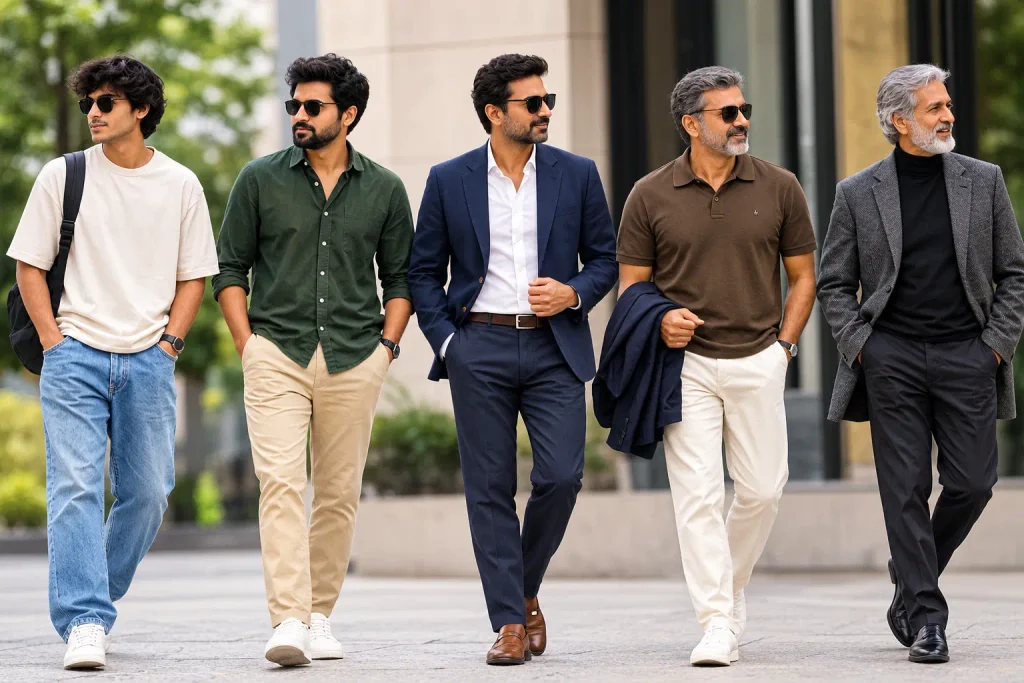
How Do You Dress as You Age?
As you get older, your approach to fashion may naturally change. Trends that once felt exciting may no longer suit your lifestyle, while classic pieces can become more appealing.
Dressing well as you age is about finding the right balance between modern style and timeless clothing. You don’t need to completely change your wardrobe. Instead, gradually replace pieces that no longer fit your lifestyle with better-quality, versatile options.
A well-fitted shirt, clean trousers, smart sneakers, a structured jacket, and a good pair of jeans can create a sophisticated appearance without looking overly formal.
The most important rule is this: wear clothes that fit your current lifestyle and make you feel confident.
Build Your Wardrobe Around Timeless Basics
Fashion trends come and go, but certain wardrobe staples remain useful for years.
Men of any age can benefit from having versatile basics such as:
- Plain T-shirts
- Oxford shirts
- Polo shirts
- Well-fitted jeans
- Chinos
- Tailored trousers
- Casual jackets
- Lightweight sweaters
- Neutral sneakers
- Leather shoes
- A versatile blazer
These pieces can be mixed and matched to create multiple outfits.
For example, a simple white T-shirt with dark jeans and clean sneakers creates a relaxed weekend look. Add a blazer and leather shoes, and the same basic T-shirt can become part of a smart-casual outfit.
Choose Quality Over Quantity
As you age, your wardrobe doesn’t necessarily need to become bigger. It should become smarter.
Instead of buying ten inexpensive pieces that you rarely wear, consider investing in a few reliable items that you can wear regularly.
Look for:
- Durable fabrics
- Strong stitching
- Good construction
- Comfortable materials
- Versatile colors
- Classic designs
Quality doesn’t always mean expensive. You can find excellent clothing at different price points if you pay attention to fabric, construction, fit, and overall versatility.
How to Look Fashionable on a Budget Men?
One of the biggest misconceptions about men’s fashion is that looking stylish requires spending a lot of money. It doesn’t.
If you’re wondering how to look fashionable on a budget men, start by making your existing wardrobe work harder.
You don’t need a closet full of designer clothing. Instead, focus on a small collection of versatile pieces that can be styled in different ways.
Invest in Versatile Colors
Neutral colors such as black, white, navy, grey, beige, olive, and brown are easy to combine.
For example, a navy polo can work with jeans, chinos, shorts, or tailored trousers. A white shirt can be dressed up with trousers or worn casually with denim.
Buy Fewer, Better Pieces
Before buying something, ask yourself whether you can create at least three different outfits with it.
If the answer is yes, it’s likely to be a useful addition to your wardrobe.
Shop During Sales
Seasonal sales can be a great way to purchase quality basics at lower prices. However, don’t buy something simply because it is discounted.
Upgrade Small Details
Accessories can completely change an outfit without requiring a large investment.
Consider adding:
- A simple watch
- A leather belt
- Minimal sunglasses
- A clean wallet
- A versatile pair of shoes
- A simple bracelet
Small details can make a basic outfit look much more intentional.
Fashion Tips for Men in Their 20s
Your 20s are a great time to experiment with personal style.
You can explore different colors, silhouettes, patterns, and trends to discover what works for you.
However, experimentation doesn’t mean following every trend. Try incorporating modern pieces while maintaining a few classic essentials.
For casual outfits, try:
T-shirt + straight-fit jeans + sneakers
For a smart-casual look:
Oxford shirt + chinos + loafers
The goal at this stage is to develop an understanding of what suits your personality rather than copying someone else’s wardrobe.
Fashion Tips for Men in Their 30s
In your 30s, your wardrobe can become more refined.
You may have a professional career, social commitments, and a more established lifestyle. Your clothing should be versatile enough to work across different situations.
Invest in better-fitting shirts, trousers, jeans, jackets, and shoes.
A simple combination such as a well-fitted polo, chinos, leather sneakers, and a watch can look effortlessly stylish.
This is also a good time to build a wardrobe around quality basics rather than constantly chasing trends
Fashion Tips for Men in Their 40s
Your 40s are an excellent time to embrace sophistication.
You don’t need to abandon casual clothing. Instead, choose more refined versions of casual pieces.
For example, replace worn-out graphic T-shirts with high-quality plain or textured T-shirts. Choose structured jackets instead of overly casual outerwear.
Dark denim, tailored trousers, polos, knitwear, overshirts, and well-fitted jackets can become wardrobe essentials.
At this stage, fit becomes particularly important. Clothing should follow your natural body shape without being restrictive.
Fashion Tips for Men in Their 50s and Beyond
Style doesn’t have an expiration date.
Men in their 50s and beyond can look modern and fashionable by choosing clothing that combines comfort with sophistication.
Try incorporating:
- Lightweight knitwear
- Polo shirts
- Structured overshirts
- Tailored trousers
- Dark denim
- Comfortable leather shoes
- Minimal sneakers
- Classic jackets
You don’t have to avoid contemporary fashion. Instead, select trends that naturally complement your existing style.
Don’t Be Afraid of Color
As men get older, some become more cautious about wearing color. Neutral colors are excellent wardrobe foundations, but that doesn’t mean you have to eliminate brighter shades.
Try introducing color through:
- Polo shirts
- Casual shirts
- Sweaters
- Sneakers
- Jackets
- Accessories
If you’re unsure, start with muted colors such as burgundy, forest green, rust, navy, or olive.
A little color can add personality while keeping an outfit sophisticated
Choose the Right Fit
Fit is arguably one of the most important elements of men’s fashion.
Even an expensive outfit can look unpolished if the clothing doesn’t fit properly.
Pay attention to:
Shoulders: Shirt and jacket seams should sit naturally at the shoulder.
Sleeves: Sleeves shouldn’t completely cover your hands.
Trousers: Avoid excessive bunching around the ankles.
Shirts: They should allow comfortable movement without looking excessively loose.
Jackets: The jacket should sit naturally across your shoulders and chest.
If necessary, inexpensive tailoring can make a significant difference.
Avoid Dressing According to Strict Age Rules
There are plenty of outdated ideas about what men “should” and “shouldn’t” wear at certain ages.
Fashion doesn’t need to follow rigid rules.
A man in his 50s can wear sneakers. A man in his 20s can wear a blazer. A man in his 40s can wear denim. What matters is how the individual pieces are styled and whether they suit the occasion.
Instead of creating strict age-based fashion rules, develop a wardrobe that reflects who you are today.
Create a Signature Style
The most stylish men often have something recognizable about their clothing.
Maybe you prefer monochrome outfits. Perhaps you love polos and chinos. Maybe your style revolves around denim, sneakers, and casual jackets.
Finding a signature style makes getting dressed easier.
Start by identifying three things:
- Your favorite colors
- Your preferred clothing silhouettes
- The occasions you dress for most often
Then build your wardrobe around those choices.
Grooming Is Part of Your Style
Clothing is only one part of looking stylish.
Hair, facial hair, skincare, footwear, and overall presentation can influence how an outfit looks.
Keep your grooming routine simple and consistent. A clean haircut, maintained facial hair, fresh shoes, and well-cared-for clothing can make even a simple outfit look polished.
Final Thoughts: Dress Better, Not Younger
So, how do you dress as you age? Dress with intention.
Choose clothes that fit your body, invest in versatile pieces, prioritize quality where it matters, and don’t be afraid to develop your own style. You don’t need to dress exactly like someone younger—or anyone else.
And if you’re wondering how to look fashionable on a budget men, remember that style is not determined by the price tag. A carefully chosen wardrobe of affordable, well-fitting, versatile clothing can look far more impressive than an expensive wardrobe filled with pieces you rarely wear.
Fashion changes with time, but good style is timeless. The goal isn’t to dress your age. It’s to dress confidently for the person you are today.